
Navigating custody decisions can feel overwhelming, especially when you are trying to protect your child’s stability during a time of transition. Whether you live in Billings, Bozeman, Great Falls, or Whitefish, Montana’s custody laws are designed to support your child’s wellbeing first. Understanding what courts look for, and how to create a strong parenting plan, can make the process clearer and more manageable.
This blog breaks down the four most important things to know about Montana custody laws so you can move forward with confidence and make informed decisions for your family.
1. Understand How Montana Courts Apply the “Best Interests of the Child” Standard
Montana uses a “best interests of the child” framework to guide all custody decisions. This standard focuses on what arrangement best supports your child’s emotional, physical, and developmental needs, not what feels “fair” to either parent.
What the Standard Really Means
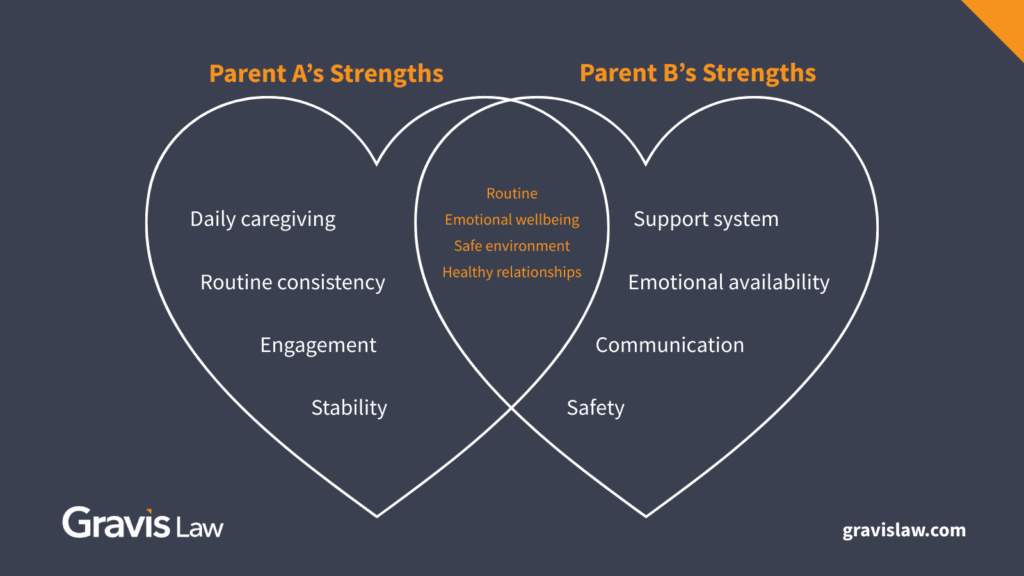
Courts look at the full picture, including your child’s daily routine, relationships, stability, and safety. Judges review each parent’s ability to meet the child’s needs, communicate effectively, and maintain a healthy environment.
What Judges Commonly Evaluate
- How involved each parent is in daily care
- Your child’s school, community, and sibling connections
- Any history of domestic violence, substance misuse, or unsafe behavior
Understanding these factors can help you prepare and advocate for a plan that supports your child’s best interests.
2. What Needs to Be Included in a Montana Parenting Plan
A parenting plan is required in Montana and outlines how parents will share rights, responsibilities, and time with their children. A clear plan helps reduce conflict and ensures both parents know what to expect.
Required Parenting Plan Components
Your plan must include:
- A detailed parenting schedule (weekdays, weekends, holidays, breaks)
- Pick-up and drop-off routines
- How parents will communicate about school, health care, activities, and other major decisions
Optional (But Helpful) Provisions to Reduce Conflict
Many Montana parents choose to include:
- Technology or communication guidelines
- Expectations around introducing new partners
- A step-by-step dispute resolution process before going back to court
These additions help reduce misunderstandings and keep the focus on your child’s stability.
Creating the Right Parenting Plan Takes Thoughtful Planning
3. Physical vs. Legal Custody in Montana, Explained
Many parents think of custody as one decision, but in Montana, custody is divided into two parts: physical custody and legal custody.
Physical Custody (Residential Time)
This determines where your child lives and how they spend time with each parent. Montana courts often prefer arrangements that allow children meaningful relationships with both parents when it is safe and appropriate.
Legal Custody (Decision-Making Authority)
Legal custody outlines who makes major decisions about your child’s schooling, medical care, religious upbringing, and activities. Courts may award joint decision-making or give one parent sole authority depending on what best supports the child’s wellbeing.
4. When to Update or Modify a Parenting Plan in Montana
As life changes, your parenting plan may need to change as well. Montana allows modifications when a “significant change in circumstances” occurs.
What Counts as a Significant Change
Some common examples include:
- Moving to or from different locations or counties
- A major schedule change, such as new work hours
- Health, safety, or behavioral changes that affect your child
Shifts in your child’s developmental needs power of attorney plays a major role in protecting your children if you are unable to care for them.
Common Mistakes Montana Parents Make and How to Avoid Them
Using Informal Agreements Without Court Approval
Even if both parents agree to changes, informal arrangements are not legally enforceable. Without a court-approved modification, you may face unnecessary risks.
Putting Parental Conflict Ahead of Stability
Montana courts prioritize predictable routines, calm transitions, and cooperative parenting. Keeping the focus on your child, not unresolved issues between adults, helps your case and supports your child’s wellbeing.
A Montana Team Ready to Help You Move Forward
1 in 3 Americans who have been married have also been divorced, a reminder that you are not alone in this situation. Choosing the right parenting plan, or modifying an existing one, can influence your child’s stability for years to come. The family law attorneys at Gravis Law serve parents across Montana with compassion, practical advice, and deep experience in custody matters.
If you’re ready to protect your child’s future and gain clarity about your next steps, reach out to us today to schedule a consultation.
This article is for informational purposes only and is not legal advice. Your circumstances are unique, and an attorney can provide guidance that fits your needs.
Download our guides for expert insights to plan your estate, navigate family law, or secure your future. Simplify the process with clear, actionable steps. Get started today!