
Written by Personal Injury attorney Ben Goodey
After a car accident, one of the first calls you may receive is from an insurance company. While it may seem harmless to answer questions or discuss your injuries right away, what you say early in the claims process can significantly affect your ability to recover fair compensation later.
If you are searching for guidance from a personal injury lawyer or car accident attorney in Richland, Washington, understanding how insurance companies handle claims is an important first step.
The answer to whether you should talk to the insurance company depends on which insurance company is contacting you and where you are in your recovery process.
Should You Talk to Your Own Insurance Company After an Accident?
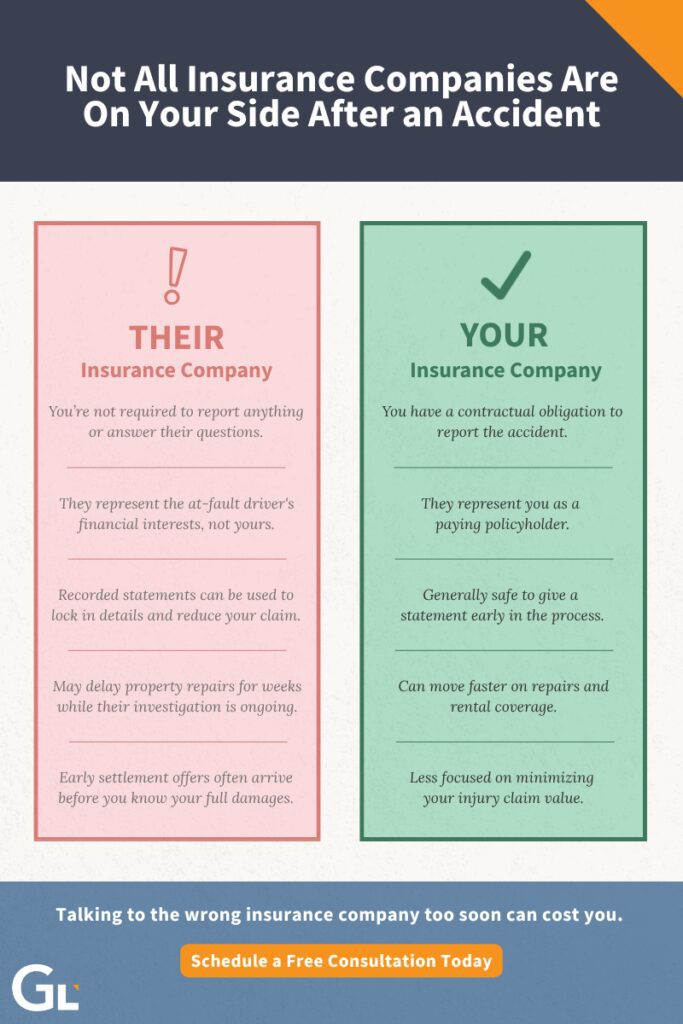
In most situations, yes. You generally have a contractual obligation to report accidents to your own insurance carrier.
Your insurance company may need basic information to:
- Open your claim
- Process property damage
- Coordinate repairs
- Review available coverage
If you have collision coverage, working with your own insurer can often help move things along faster. Instead of waiting weeks for the at-fault driver’s insurance company to complete its investigation, your own carrier may:
- Repair or replace your vehicle sooner
- Help coordinate rental coverage
- Handle reimbursement directly with the other insurer later
Many people in Richland, Washington, and throughout the Tri-Cities area find this process significantly less stressful than waiting for the at-fault insurance company to respond.
Why You Should Be Careful Talking to the Other Driver’s Insurance Company
The at-fault driver’s insurance company has one primary goal: minimizing what they pay on your claim.
While adjusters may sound friendly and helpful, it is important to remember they are protecting the insurance company’s financial interests, not yours.
Common tactics may include:
- Requesting recorded statements
- Pressuring you to discuss injuries early
- Offering quick settlements
- Asking leading questions about fault
- Trying to minimize the seriousness of your injuries
If you are still receiving medical treatment, you may not yet understand the full extent of your injuries, future care needs, lost wages, or long-term impacts.
This is one reason many people choose to speak with a personal injury attorney before discussing settlement details with the other driver’s insurance company.
Why Early Settlement Offers Can Hurt Your Injury Claim Compensation
One of the most common mistakes accident victims make is accepting an early settlement offer before they fully understand their damages.
An insurance company may offer what feels like quick relief shortly after an accident:
- A small settlement check
- Payment for immediate medical bills
- A fast claim resolution
However, once you sign a release agreement, your claim is usually closed permanently.
That means if:
- Your injuries worsen,
- You later need surgery,
- Physical therapy lasts longer than expected,
- You miss additional work, or
- Chronic pain develops
You may no longer be able to seek additional compensation.
Need help understanding your options? A conversation with a Gravis attorney is a click away.
When Should You Discuss a Settlement After a Car Accident?
In most cases, it is best to wait until:
- Your treatment is complete, or
- Your doctors determine you have reached maximum medical improvement (MMI)
Maximum medical improvement means your doctors believe your condition has improved as much as possible, even if some long-term effects remain.
At that point, you may have a clearer understanding of:
- Medical expenses
- Future treatment needs
- Lost wages
- Pain and suffering
- Long-term limitations
Without this information, it is difficult to know whether an offer fairly reflects the true value of your claim.
Should You Give a Recorded Statement to the Insurance Company?
In many situations, it is wise to proceed cautiously before agreeing to a recorded statement with the at-fault driver’s insurance company.
Insurance adjusters are trained to ask questions designed to:
- Lock in details early
- Identify inconsistencies
- Minimize injuries
- Reduce claim value
Even seemingly harmless comments can later be used against you.
Before providing detailed statements about:
- Fault
- Injuries
- Medical treatment
- Physical limitations
It may be beneficial to speak with an accident injury lawyer who can help you understand how the information could affect your claim.
How a Motor Vehicle Accident Lawyer Can Help Protect Your Claim
When you work with a motor vehicle accident lawyer, communication with insurance companies often shifts away from you and toward your legal team.
This can help reduce stress while allowing you to focus on:
- Medical treatment
- Recovery
- Your family
- Returning to normal life
An attorney may also help:
- Gather evidence
- Review insurance policies
- Calculate damages
- Negotiate settlements
- Protect your rights throughout the claims process
Insurance companies handle claims every day. Having someone on your side who understands the process can help level the playing field.
Protect Your Future Before Accepting a Settlement
After an accident, it is completely understandable to want the situation resolved quickly. However, rushing into conversations or settlements before understanding the full impact of your injuries can create long-term challenges.
Whether you are dealing with medical bills, lost income, ongoing treatment, or uncertainty about the claims process, speaking with a personal injury lawyer may help you better understand your options before making important decisions.
If you were injured in Richland, Washington or elsewhere in the Tri-Cities area, the team at Gravis Law is here to help you navigate the process with clarity and confidence.
Reach Out to Us Today
If you have questions about speaking with an insurance company after an accident, contact Gravis Law to learn how our team can help protect your rights and pursue fair compensation.
About the Author
Raised in the Tri-Cities, Benjamin Goodey helps injury victims navigate insurance claims, legal challenges, and recovery with clarity and confidence.
His practical, client-focused approach is centered on protecting his clients’ interests while helping them make informed decisions during difficult situations.
This article is for informational purposes only and is not legal advice. Your circumstances are unique, and an attorney can provide guidance that fits your needs.
This article is for informational purposes only and does not constitute legal advice.
Download our guides for expert insights to plan your estate, navigate family law, or secure your future. Simplify the process with clear, actionable steps. Get started today!